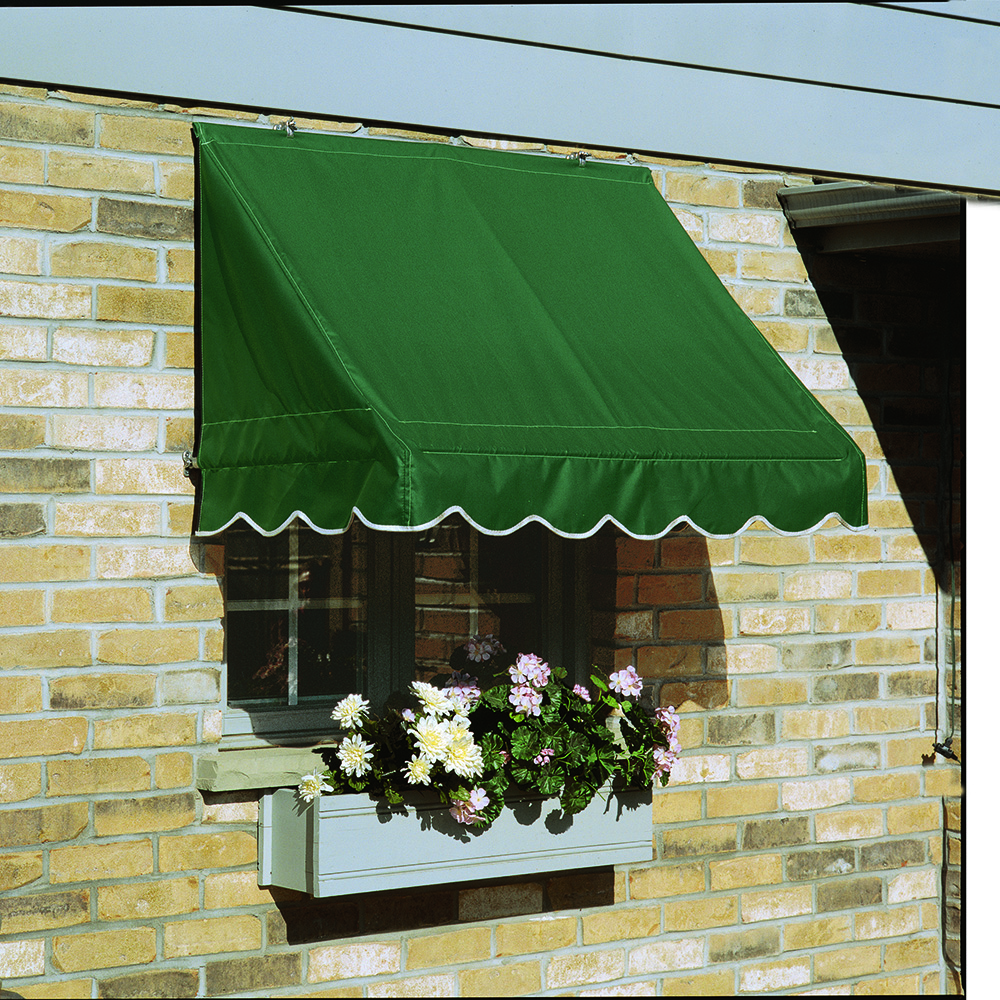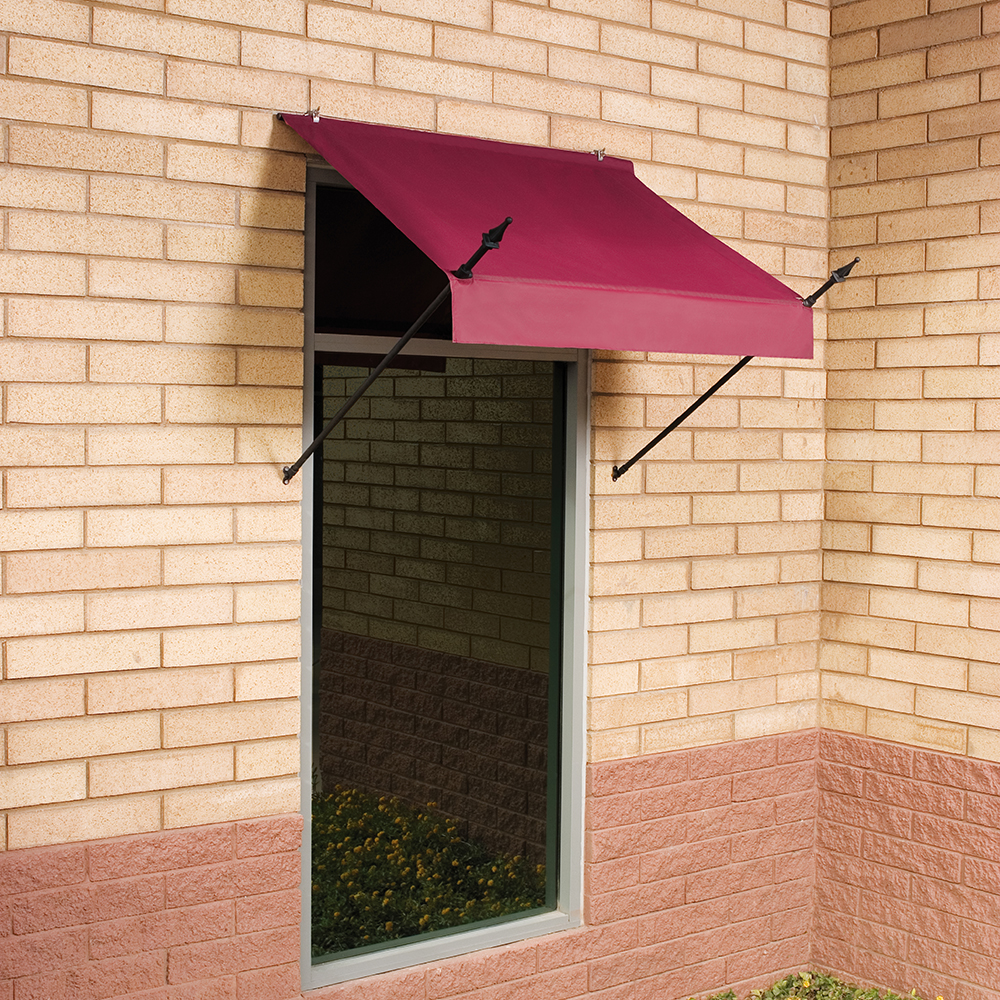
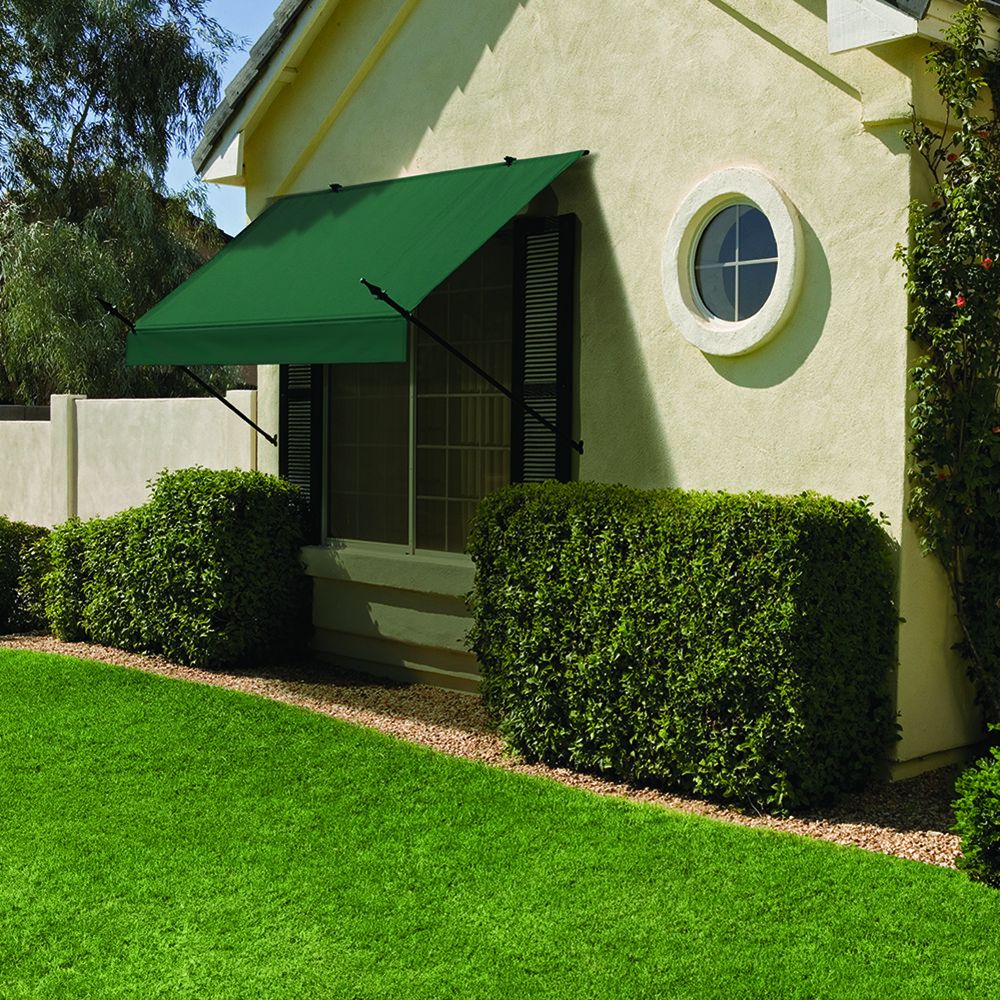
If you’ve ever walked past a house or storefront with awnings, you know they add charm and character. But window awnings aren’t just about looks. They serve a very practical role in protecting your home and improving everyday comfort. In fact, homeowners have relied on awnings for centuries because of the unique mix of style and function they provide.
So, what exactly is the purpose of window awnings? Let’s break it down.
Shade and Cooling
The most obvious purpose of a window awning is shade. By blocking direct sunlight before it reaches your glass, an awning helps keep your home cooler. The U.S. Department of Energy reports that window awnings can reduce heat gain by up to 65% on south-facing windows and 77% on west-facing windows. That’s a big difference when it comes to keeping rooms comfortable and lowering reliance on air conditioning.
Instead of your cooling system working overtime, the awning does much of the work by cutting the heat at the source.
Energy Efficiency
Less heat indoors means your AC doesn’t have to run as much. That translates to lower energy bills, especially during peak summer months. Over time, the savings can really add up.
And because some awnings are retractable, you can let the sun in during winter to take advantage of passive heating. That seasonal flexibility means you’re using energy more wisely all year long.
Protection for Interiors
Sunlight causes fading and damage to furniture, flooring, and fabrics. UV rays can discolor wood, weaken upholstery, and shorten the life of curtains and blinds. Awnings reduce the amount of direct sunlight hitting your windows, which helps preserve your interiors.
By shielding your home’s inside spaces, awnings save you money on replacements and help keep everything looking newer for longer.
Weather Protection
Another purpose of window awnings is protection from rain and snow. Even though they don’t fully enclose a window, they create a barrier that reduces the amount of water hitting the glass and seeping into the frame. That can extend the life of your windows and siding, while also cutting down on drafts.
Door canopies serve a similar purpose by shielding entryways and reducing exposure to rain, sleet, or snow.
Curb Appeal and Style
Window awnings also change the look of your home. Whether you choose a traditional fabric design or a more modern style, awnings add architectural detail and dimension.
They can soften the appearance of a plain exterior, highlight your home’s color scheme, or create a welcoming look that boosts curb appeal. For many homeowners, the style factor is just as important as the practical benefits.
Outdoor Comfort
While window awnings are smaller than patio covers or deck awnings, they still affect how outdoor areas feel. By shading the walls and windows of your home, they keep exterior surfaces cooler, which can make patios and porches more comfortable too.
It’s a subtle but noticeable improvement in how livable your outdoor space feels, especially on hot afternoons.
The Big Picture
The purpose of window awnings goes beyond decoration. They:
- Reduce indoor heat gain and cooling costs
- Improve year-round energy efficiency
- Protect furniture, flooring, and window frames
- Shield windows and entryways from rain and snow
- Enhance your home’s curb appeal
- Contribute to outdoor comfort
For homeowners looking for a project that combines beauty and function, window awnings are hard to beat. They’re one of those rare upgrades that pay off in multiple ways—lower energy bills, less maintenance, and a more attractive home.
Conclusion
Window awnings are more than just a stylish accent. They’re a practical investment in comfort, efficiency, and protection. Whether you’re hoping to save money on utilities, preserve your home’s interior, or simply add charm to your exterior, awnings can accomplish all of the above.
In short, their purpose is simple: to make your home look better, feel more comfortable, and function more efficiently—all at the same time.