Energy bills are one of the biggest ongoing costs for homeowners. In summer, air conditioning can run nonstop to keep rooms comfortable. In winter, heating systems work just as hard to fight off drafts and cold air. Many homeowners look for ways to improve efficiency, and one often overlooked solution is the awning. But do awnings really help reduce energy costs?
The answer is yes. Well-placed awnings can make a measurable difference in how much you spend on cooling and even heating your home.
How Awnings Reduce Cooling Costs
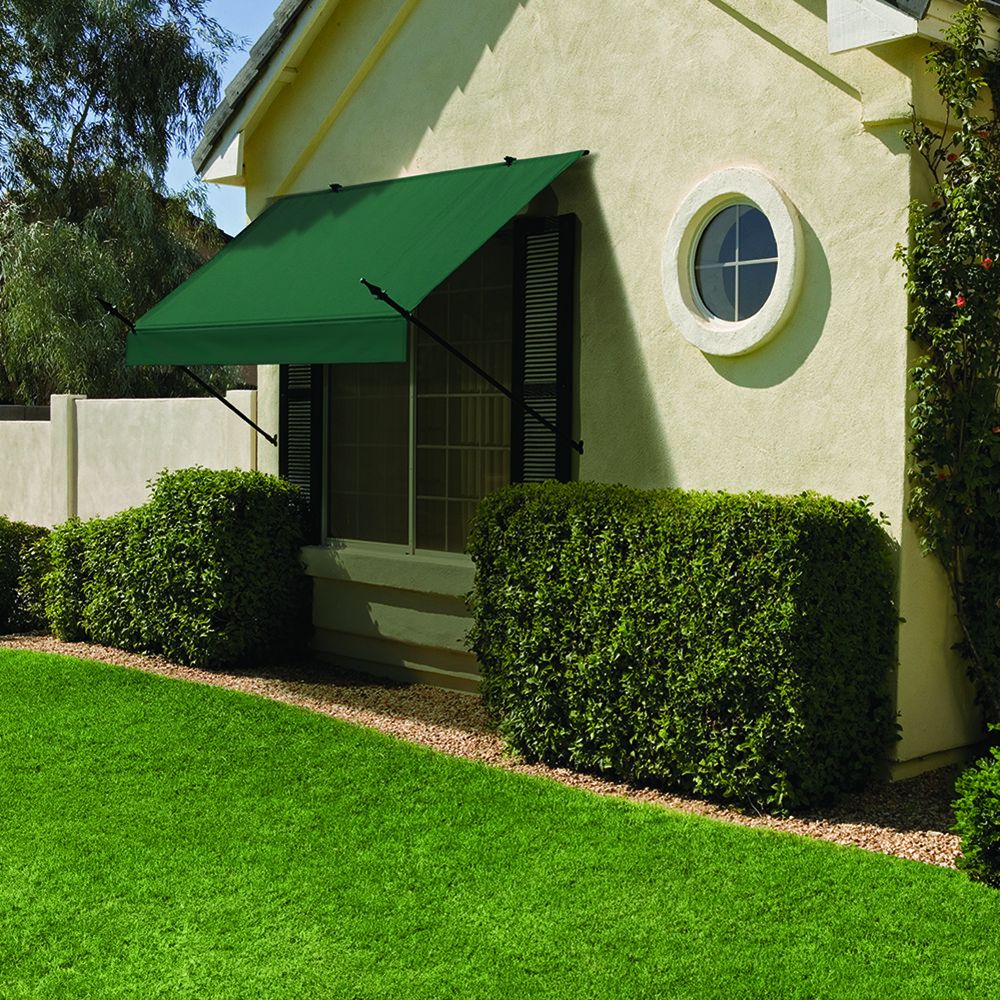
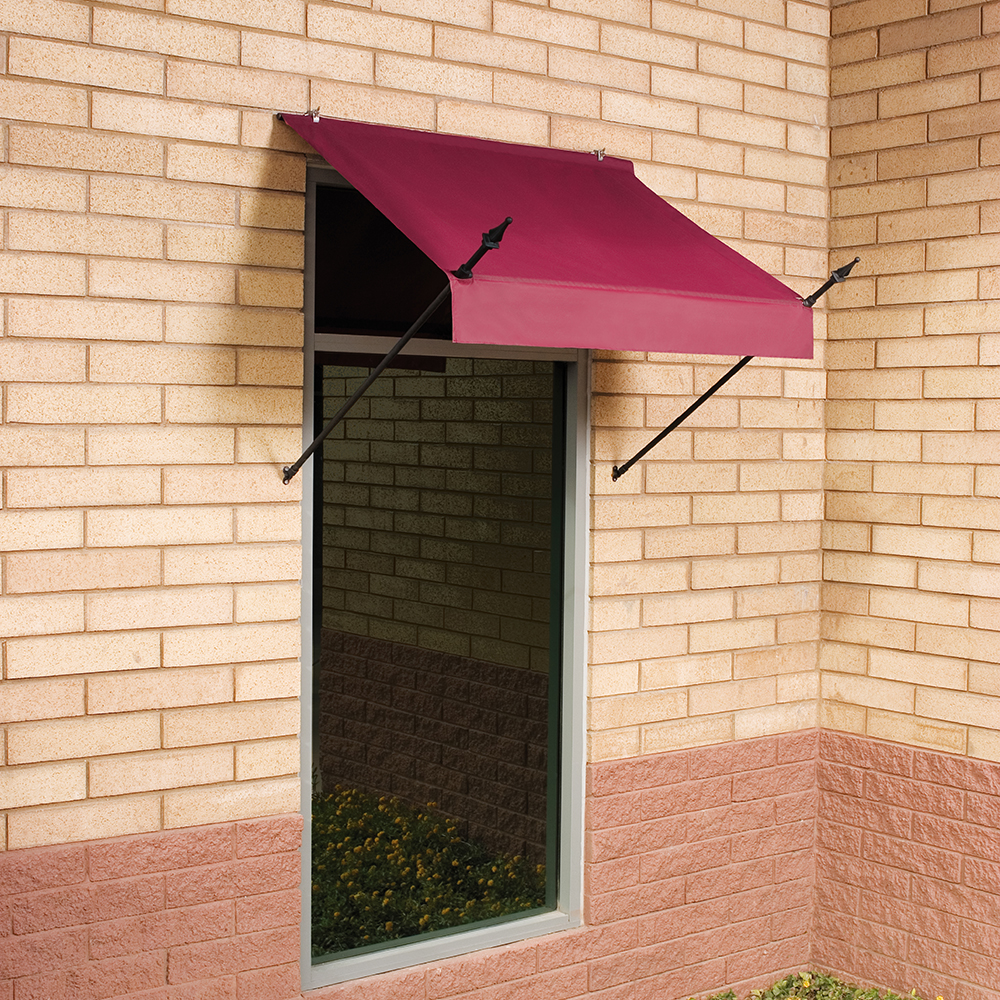
Windows are one of the largest sources of heat gain inside a home. According to the U.S. Department of Energy, about three-quarters of sunlight that falls on standard double-pane windows becomes heat indoors. That heat forces your AC to work harder, raising energy use.
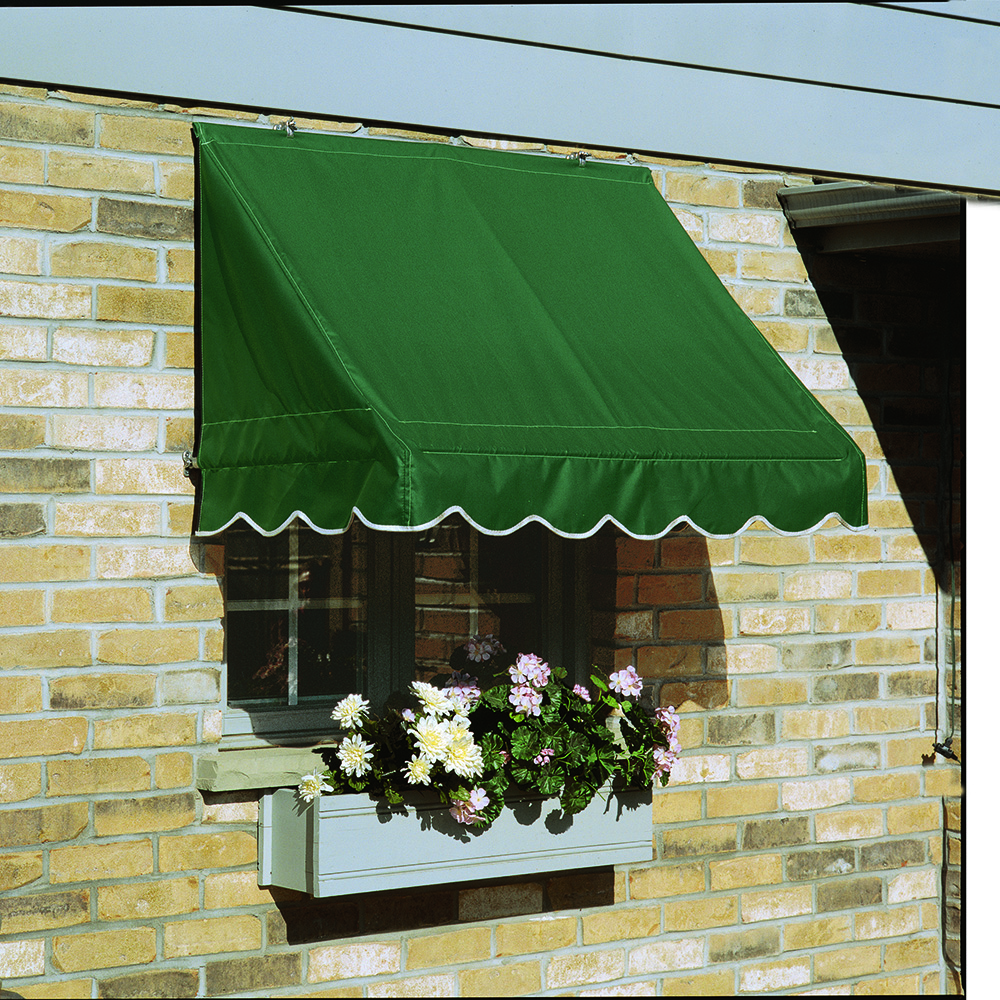
Awnings create shade before sunlight reaches the glass. By blocking direct rays, they keep rooms cooler naturally. The result is:
- Less reliance on air conditioning during the hottest hours of the day.
- Lower indoor temperatures, often by several degrees.
- Reduced fading of furniture, flooring, and curtains caused by UV exposure.
South- and west-facing windows usually benefit the most, since they get the strongest afternoon sun.
Year-Round Energy Benefits
While most people think about awnings only in summer, they can also help in colder months. Here’s how:
- Fixed or retractable designs. In winter, retractable awnings can be rolled back to allow sunlight to naturally warm rooms. Fixed awnings angled properly can still block harsh summer sun while letting in lower-angle winter rays.
- Protection from drafts. Door canopies shield entryways from wind and precipitation. That small barrier helps reduce cold air seeping into the home.
Insulating effect. By creating a buffer zone outside your windows and doors, awnings reduce direct exposure to weather extremes, which can stabilize indoor temperatures.
The Cost Savings
Every home is different, but studies have shown that awnings can cut solar heat gain by more than 50% on south-facing windows and as much as 75% on west-facing ones (Energy.gov). That translates directly into less work for your air conditioning system and noticeable savings on your utility bill.
In many regions, the payback period for investing in awnings can be just a few years, thanks to reduced energy costs and longer lifespans for HVAC equipment that doesn’t have to run as hard. The American Society of Heating, Refrigerating and Air-Conditioning Engineers (ASHRAE) notes that reducing solar heat gain is one of the most effective strategies for cutting cooling loads.
Other Financial Advantages
In addition to energy savings, awnings provide several side benefits that protect your investment in your home:
- Protecting outdoor areas. Patio or deck awnings make outdoor spaces more usable, cutting the need for extra fans or cooling systems outside.
- Preserving interiors. By blocking harsh sunlight, awnings prevent costly fading or damage to flooring, furniture, and artwork.
- Boosting curb appeal. A well-chosen awning adds style and can make your home more attractive to potential buyers.
Choosing the Right Awning for Savings
To maximize efficiency:
- Focus on windows with the most sun exposure.
- Consider retractable awnings for seasonal flexibility.
- Select durable fabrics like solution-dyed acrylic that block UV rays and resist weather damage.
Match awning colors and styles to your home’s exterior so they enhance both function and design.
The Bottom Line
Yes, awnings can help homeowners save money on air conditioning and heating. By blocking unwanted summer heat and allowing passive winter warmth, they improve comfort while reducing the load on your HVAC system. Over time, those savings can add up, making awnings a smart investment that pays for itself while adding value and beauty to your home.