When you start looking into shade options for your home, awnings usually come up as one of the most practical and attractive choices. They provide shade, protect your windows and doors from the elements, and add curb appeal. But then comes the question: should you install a do-it-yourself awning kit, or hire a professional to handle the installation?
The truth is, both options have their advantages. It really depends on your comfort level, budget, and what you’re hoping to get out of the project.
What You Get With DIY Awnings
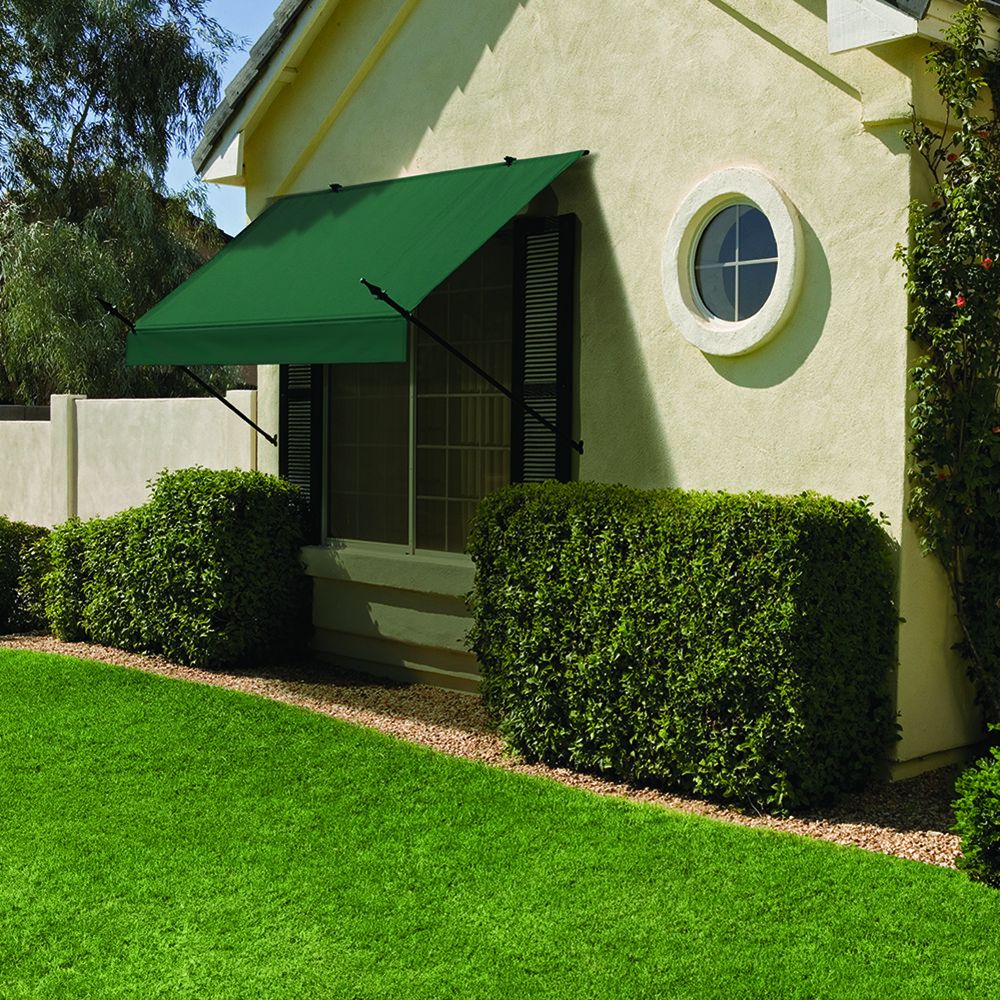
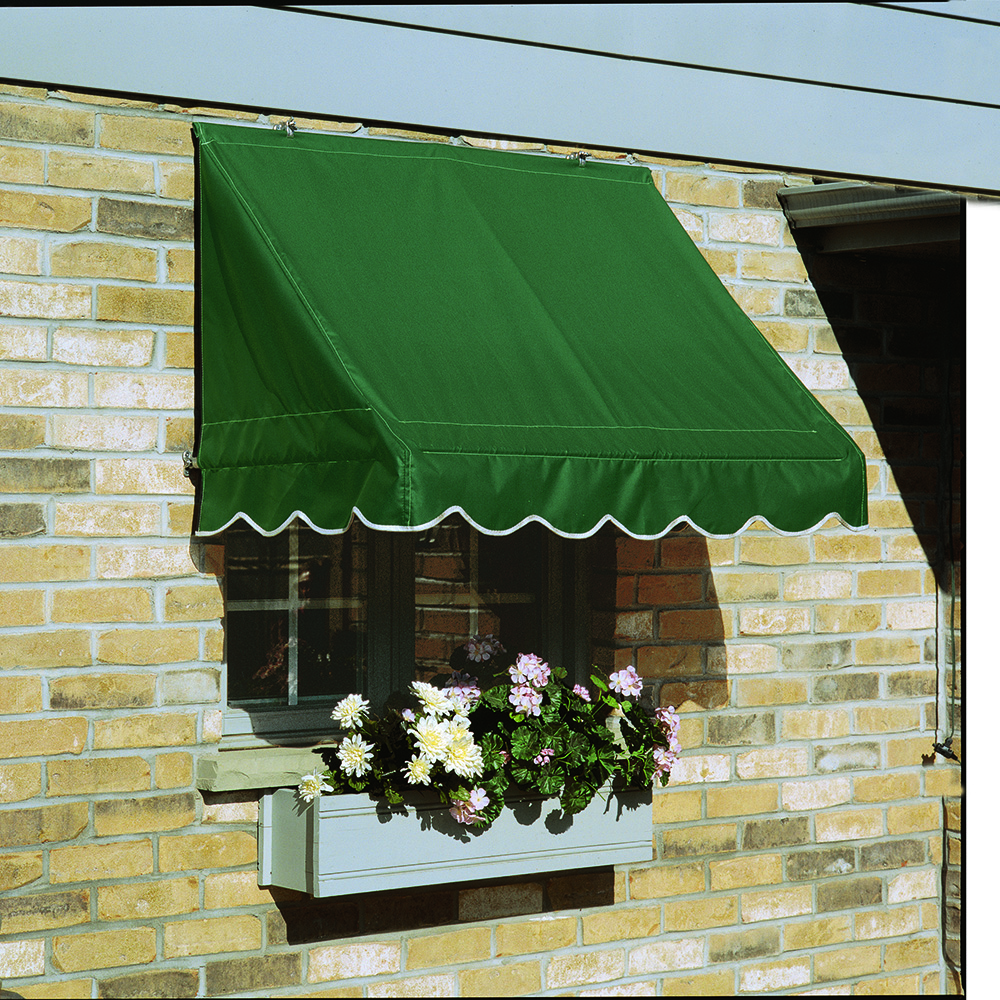
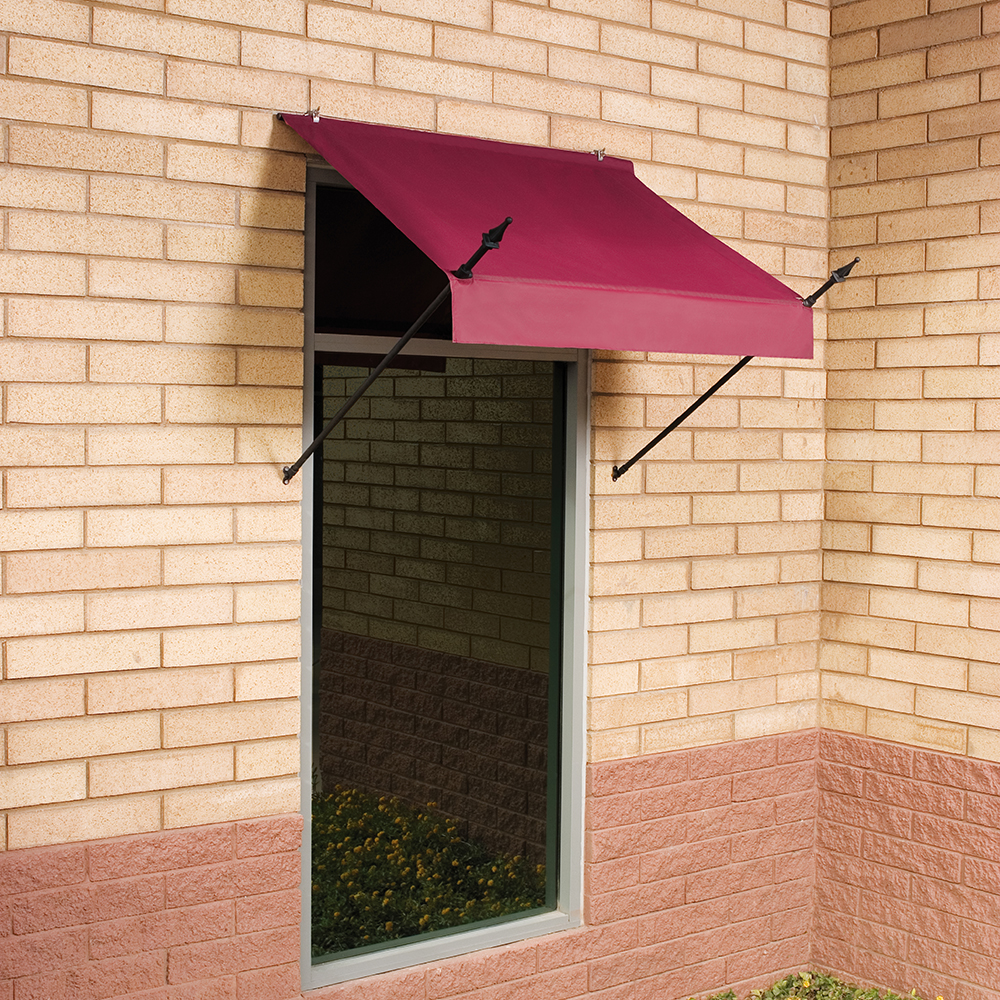
DIY awning kits are designed for homeowners who want an affordable and straightforward way to add shade to their home. At Simple Awnings, our kits come with pre-engineered frames, durable hardware, and step-by-step instructions so that most people can complete the installation with basic tools.
Some of the biggest benefits of a DIY awning include:
- Lower cost. You’re not paying labor fees, which can often make up half or more of the price of a professionally installed awning.
- Flexibility. You can work on your own schedule instead of waiting for a contractor’s availability.
- Satisfaction. There’s something rewarding about finishing a home improvement project yourself and enjoying the results.
DIY awnings have been popular for decades because they make adding shade and style to a home accessible for almost anyone.
What You Get With Professional Installation
Professional awning installers bring experience and specialized tools to the job. If you have an unusual space, a large opening, or simply don’t want to tackle the project on your own, hiring a pro may make sense.
Some of the benefits of professional installation include:
- Expertise. Installers have handled dozens or even hundreds of awnings, so they can anticipate issues and make adjustments quickly.
- Speed. A project that might take a homeowner a weekend can sometimes be completed by a professional in a single afternoon.
- Warranty coverage. Some companies may only honor certain warranties if the awning is installed by a licensed contractor.
The downside, of course, is cost. Labor charges can significantly increase the total price of the project, sometimes making the awning twice as expensive.
How DIY Awnings Compare
So, are DIY awnings from Simple Awnings just as good? In most cases, yes. A quality DIY kit uses a similar grade of materials that professionals rely on. At Simple Awnings, for example, our frames are 100% aluminum with commercial-grade hardware that resists rust and holds up to weather. Our fabrics are solution-dyed acrylic, built to withstand sun exposure, rain, and mildew. The difference comes down to who does the work of putting it together and attaching it to your home.
If you’re comfortable measuring, drilling, and following directions, a DIY awning can look every bit as polished as one installed by a contractor. Most homeowners with basic tools can handle the job without much trouble.
When to Consider Professional Help
There are a few situations where hiring a pro may still be the better choice. For example:
- You live in a historic or custom home with unique construction.
- The awning is oversized or covers a complex area.
- You’re not comfortable on a ladder or using power tools.
- You simply don’t have the time.
In these cases, a professional installer can give you peace of mind and ensure everything is secure.
The Bottom Line
DIY awnings have come a long way, and today they offer homeowners a smart, cost-effective way to add shade and style. If you like working on projects around the house, installing one yourself can save money and deliver the same lasting benefits as a professional installation. On the other hand, if your space is tricky or you’d rather not take on the project, a professional can handle it for you.
Either way, an awning is one of the best investments you can make for comfort, energy savings, and curb appeal. The real question isn’t whether DIY or professional is “better,” but which option fits your needs best.